Why Radon in Basement Levels Can Spike Without Warning
Understanding Radon in Basement Risks
If you own a home with a basement, you have likely heard about radon. It is a radioactive gas that comes from the natural decay of uranium in soil and rock. It moves up through the ground and can enter your home through cracks and openings in the foundation. The highest concentration often collects in the lowest lived-in level, which for most houses is the basement. I have spent years working with homeowners who thought their homes were safe because they tested once and got a low reading. What many do not realize is that radon in basement levels can change drastically from day to day, even hour to hour, based on weather, soil conditions, and how the house operates.
The United States Environmental Protection Agency estimates that radon causes thousands of lung cancer deaths each year, and the American Lung Association has long warned about the risks of prolonged exposure. But the real challenge is that radon is invisible and odorless. You cannot see it or smell it, so the only way to know if you have a problem is to measure it properly. And that measurement is not as simple as buying a radon test kit and leaving it on a shelf for two days. A single short-term test can miss the bigger picture entirely.
How Radon Moves Into a Basement
Radon enters a building primarily through the soil beneath the concrete slab. The process is driven by a difference in air pressure between the soil and the inside of the home. When the air pressure inside the basement is lower than the pressure in the soil underneath, the house acts like a vacuum. It pulls soil gases, including radon, through any available opening. Those openings can be tiny cracks in the slab, gaps around utility pipes, floor drains, or joints where the floor meets the wall. Even a sump pit or a lazy gutter that drains surface water away from the foundation can create a pathway if it is not sealed properly.
One of the most common misconceptions I hear is that radon only enters through large holes or obvious damage. In reality, the tiniest crack can allow significant radon entry if the pressure difference is strong enough. And that pressure difference is not constant. It changes with barometric pressure swings, wind, and the stack effect created by warm indoor air rising and escaping through the upper floors of the house. On a cold, windy day, the stack effect can be very strong, pulling more radon into the basement than on a calm, mild day.
Why a Single Test Can Be Misleading
I have visited homes in York County where the owner tested for radon in basement air during the summer, got a reading below four picocuries per liter, and assumed they were fine. Then they retested in the winter, after sealing the house up tight, and the reading was eight or ten picocuries. That is a huge swing. The EPA recommends action at four picocuries per liter, but even levels below that are not risk-free. The only reliable way to know your annual average exposure is to use a continuous radon monitor that logs readings over several months, or to use multiple long-term test kits placed at different times of the year.
A radon test kit that you mail off to a lab is a good starting point, but it only captures a snapshot. If you test during a week of low pressure and wet soil, you might get a high reading and panic. Test during a dry, high-pressure week, and you might get a false sense of security. I advise homeowners to run at least one long-term test, ninety days or more, before making a decision about mitigation. And if you are buying a home, ask the seller for the results of a long-term test, not just a quick two-day test that was done right before closing.
What Works for Mitigation
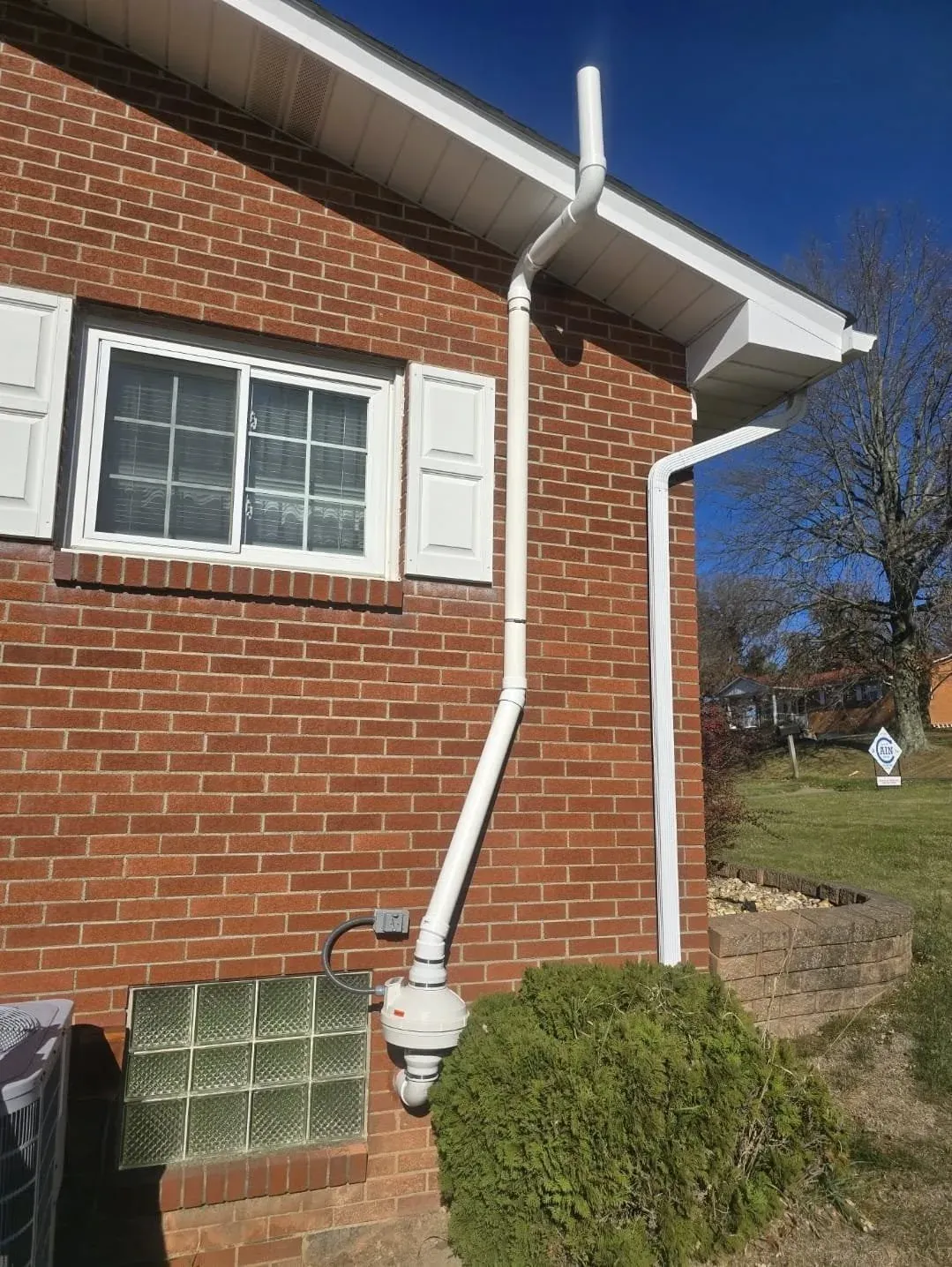
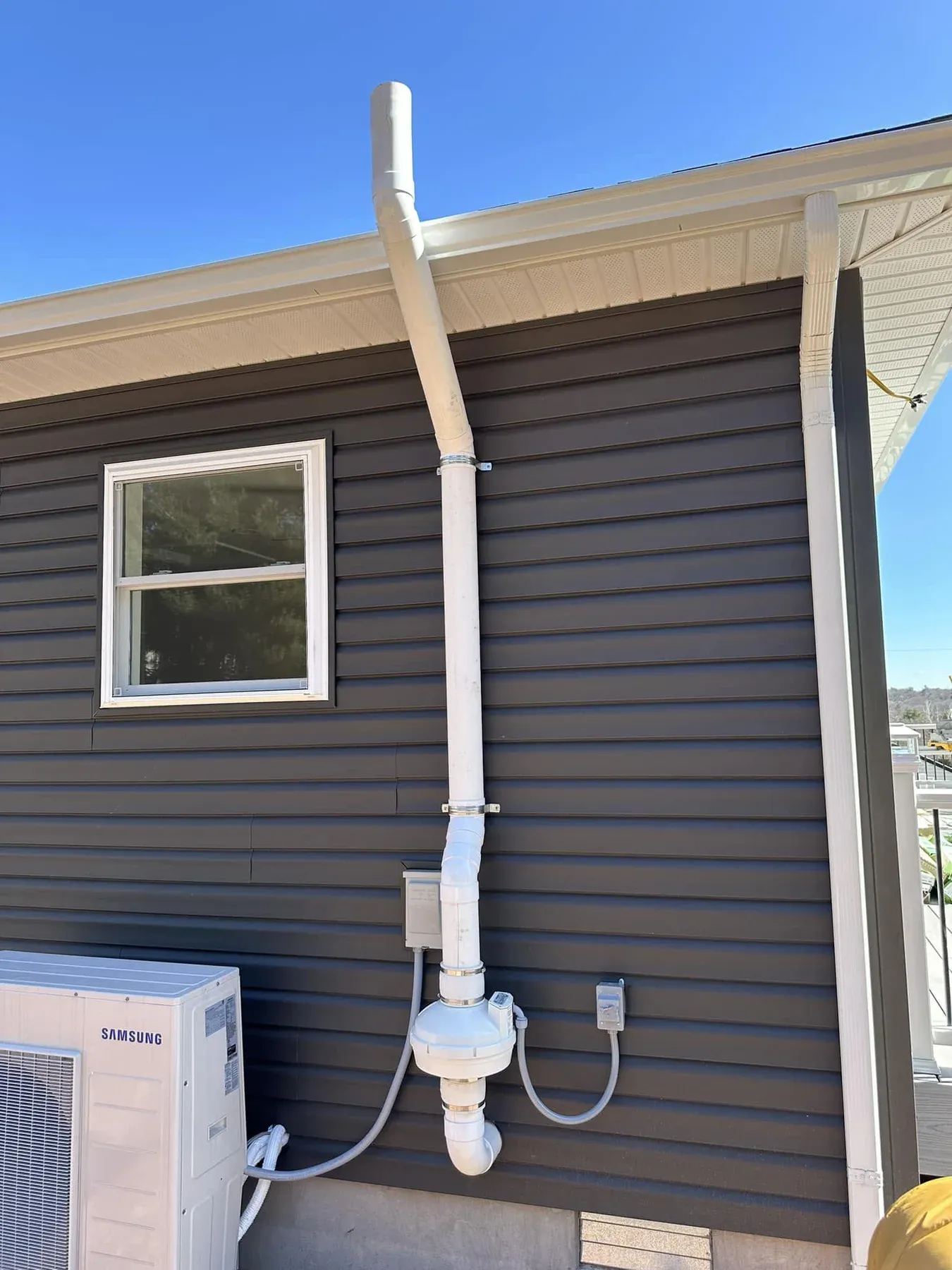
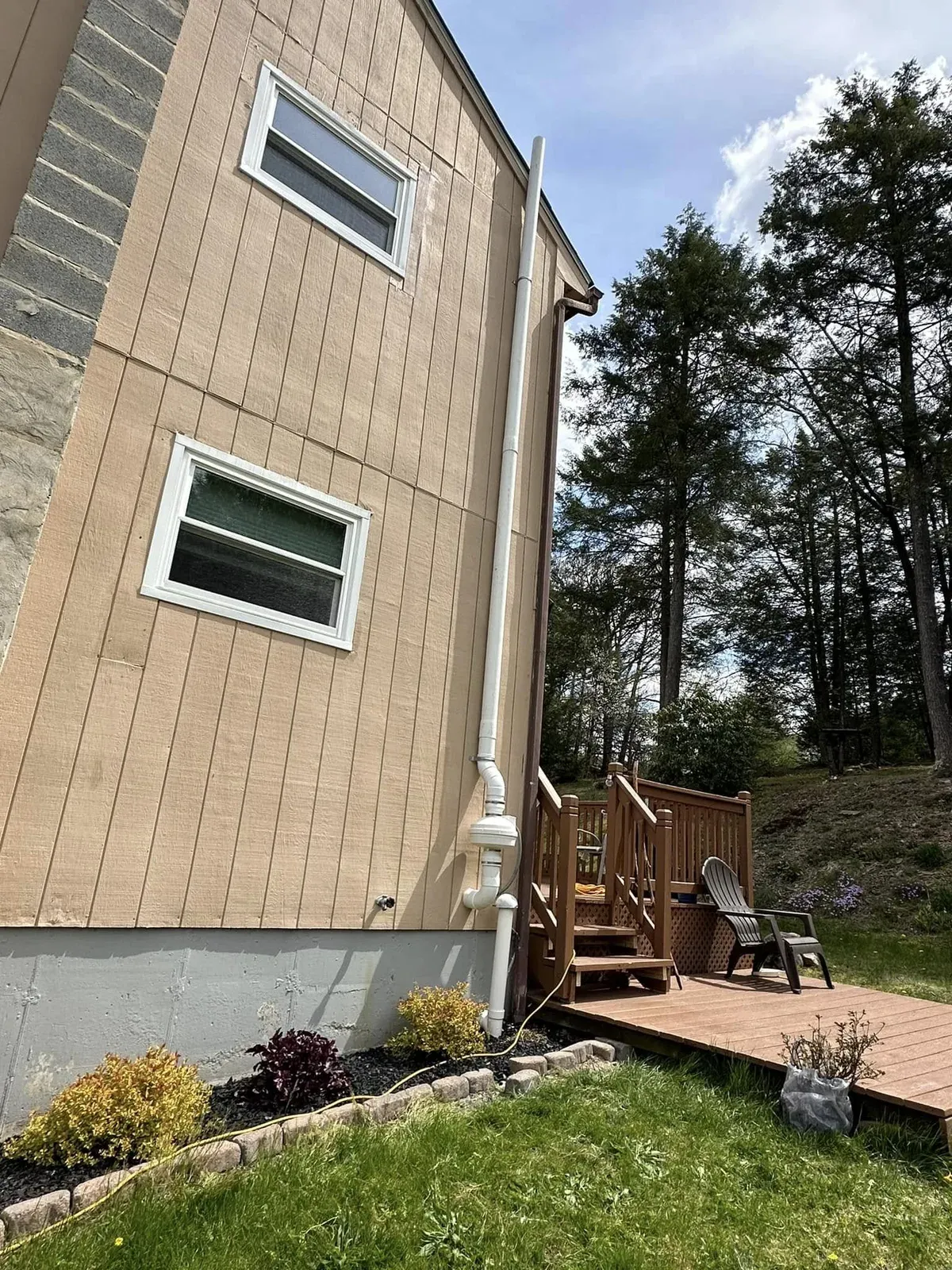
If testing confirms that radon in basement levels are elevated, the most common and effective fix is a sub-slab depressurization system. This involves creating a suction pit or a series of suction points beneath the concrete slab. A radon fan, mounted in the attic or outside the home, creates a continuous vacuum under the slab, drawing radon-laden soil gas away from the foundation and venting it safely above the roofline. The fan is often referred to as a radon pump because it actively pulls the gas out.
Proper installation of a mitigation system requires careful sealing of obvious entry points, but the active suction is what does the heavy lifting. Without the fan, sealing alone rarely reduces radon levels enough to be safe. The goal is to reverse the pressure difference so that the soil beneath the slab has lower pressure than the basement, preventing gas from being pulled in. In homes with a crawl space instead of a full basement, the approach is similar but often involves laying a vapor barrier on the soil and venting from under that barrier.
I have seen systems work well in houses built on sandy soil, on clay, and even on rocky ground. The key is to understand the specific soil conditions and the layout of the foundation. There is no one-size-fits-all solution. Some homes need multiple suction points. Others need a single point in the right location. A good installer, like Dan Jenkins and his team in York County, will take the time to diagnose the house before drilling holes.
Radon-Resistant New Construction
If you are building a new home, you have a golden opportunity to avoid problems before they start. Radon-resistant new construction techniques are well established and cost very little when included during the build. The basic strategy is to install a layer of gravel or aggregate beneath the slab, cover it with a thick vapor barrier, and run a passive vent pipe from the gravel layer up through the house and out the roof. That pipe can later be fitted with a fan if testing shows elevated levels, but often the passive stack alone is enough to keep levels low.
Many builders in Pennsylvania, including in York County, now include these features as standard. But not all do. If you are working with a custom builder, ask specifically about radon-resistant features. The cost to add them during construction is negligible. Retrofitting a sub-slab depressurization system after the slab is poured is much more expensive and disruptive.
Testing After Mitigation
Once a mitigation system is installed, you should retest the radon in basement levels to confirm the system is working. I recommend using a continuous radon monitor for the first month, then following up with a long-term test for at least three months. Fans can fail, pipes can become blocked, and power outages can shut the system down without you noticing. Some monitors have audible alarms that alert you if levels rise above a set point. That kind of ongoing vigilance is especially important if someone in the home is a smoker or has respiratory issues, because the combined risk of radon and smoking is far greater than either alone.
The health department in many counties can provide guidance on testing and finding qualified mitigators. The EPA also publishes a list of state contacts. But do not rely solely on government resources. Talk to neighbors, ask local builders, and look for a mitigator who has been in the business long enough to have seen a wide range of houses. Experience matters because every foundation is different.
Final Thoughts on Radon in Your Basement
Radon is a natural hazard, but it is one you can manage. It does not require a complete renovation or a huge budget. What it does require is honest testing, a willingness to act on the results, and a good understanding of how your house breathes. The phrase radon in basement often brings to mind a static problem, but it is anything but static. It changes with the seasons, with the weather, and with how you use your home. Treat your testing and mitigation as an ongoing process, not a one-time fix.
If you live in an area like Iowa or Pennsylvania, where radon levels tend to be higher, do not assume your home is safe just because your neighbor’s house tested fine. Geology varies from lot to lot. The only way to know is to test your own home, and to test it properly. A radon test kit costs about fifteen dollars at a hardware store or online. A continuous radon monitor costs more, but provides much richer data. Either way, the small investment is worth the peace of mind.